What Is Ameblo Manga? A Complete Guide to Japan’s Comic-Style Blogging Trend
You scroll through a Japanese blog and instead of plain text, you find hand-drawn comic panels telling someone’s daily story — a baby’s first steps, a recipe gone wrong, a funny train ride home. That is Ameblo manga, and it has quietly become one of the most engaging content formats in Japan. This guide explains exactly what Ameblo manga is, how it works, why millions of readers love it, and how you can create your own.
What Is Ameblo Manga? A Clear Definition
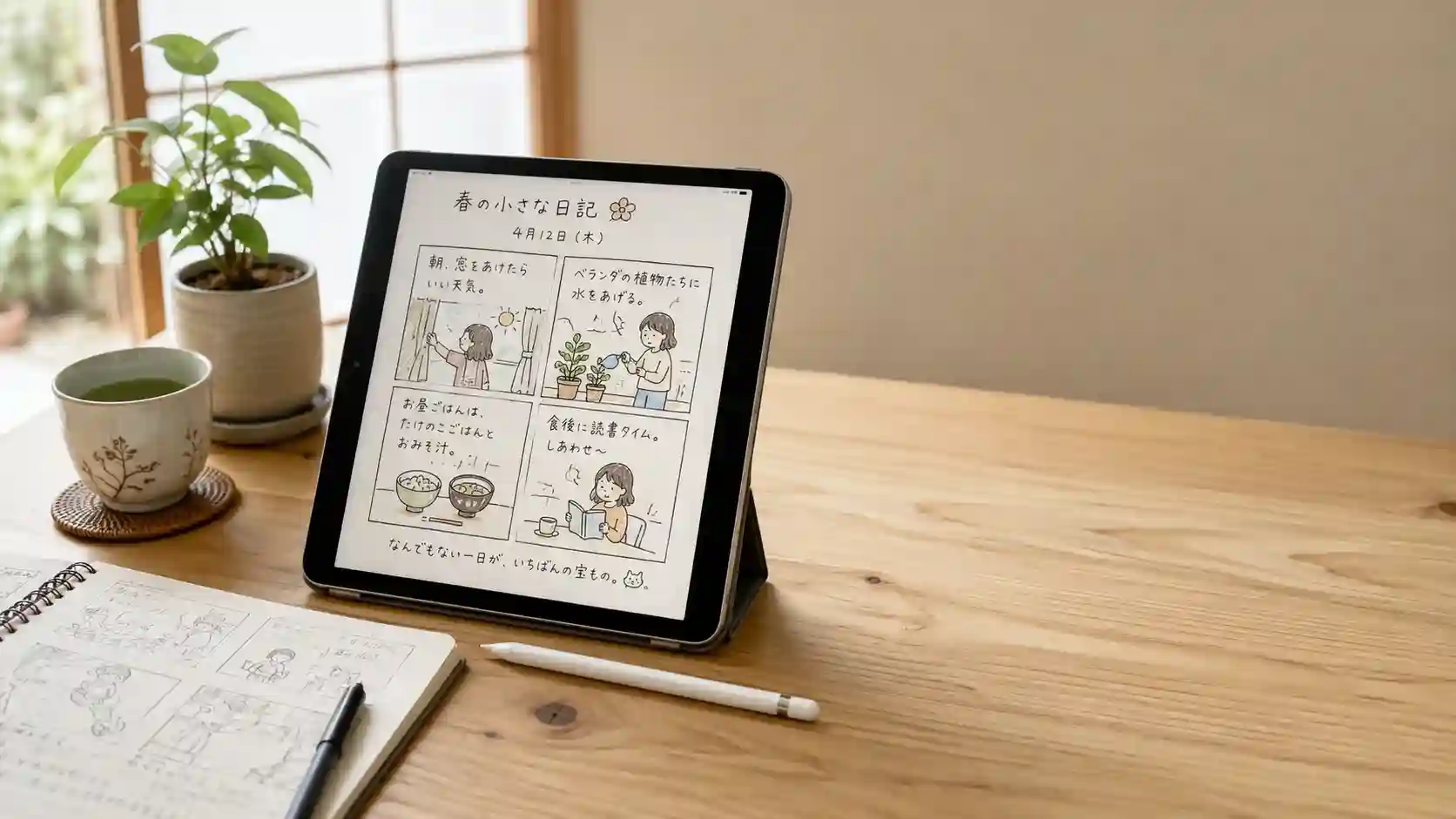
Ameblo manga refers to comic-style blog posts published on Ameblo (アメブロ), Japan’s largest blogging platform, operated by the technology company CyberAgent. Instead of writing a traditional text diary entry, the blogger draws their daily life, opinions, or stories using simple comic panels, speech bubbles, and illustrated characters.
Ameblo itself launched in September 2004 and grew into one of Japan’s most visited blogging communities, drawing over 13 million monthly users by 2008. Within that massive community, a specific content style emerged: bloggers who told their stories through drawings instead of paragraphs. That style became known informally as Ameblo manga.
The term combines two simple ideas:
- Ameblo — the blog platform itself, short for “Ameba Blog”
- Manga — the Japanese word for comics, referring to the panel-based illustrated storytelling style used in the posts
Put together, Ameblo manga describes any blog content on the Ameba platform that uses comic panels and illustrations rather than standard written text to tell a story.
How Did Ameblo Manga Become Popular?
Understanding why Ameblo manga took off requires a quick look at the platform itself. Ameba was built to be incredibly easy for ordinary people to use, and it grew rapidly thanks to celebrity blogs and a strong built-in social network that helped posts spread quickly between users.
As the platform matured, certain bloggers — particularly mothers documenting parenting experiences — began noticing that comic-style posts captured attention better than long blocks of text. A single illustrated panel could communicate an entire emotional moment instantly, something busy readers appreciated far more than scrolling through paragraphs.
Female users make up roughly 75% of Ameba’s audience, with most readers in their 30s to 50s, and a large portion of that audience consists of mothers. Comic blogging suited this audience perfectly. A tired parent reading during a short break could absorb a four-panel comic about a toddler’s tantrum far faster than a 500-word essay on the same topic.
This is the core reason Ameblo manga grew into its own recognizable genre rather than staying a niche experiment.
Why Ameblo Manga Works So Well: The Psychology Behind the Format
Ameblo manga succeeds because it solves a real problem: most people do not have time to read long blog posts, but they still want to feel connected to someone else’s story. Comics solve that instantly.
Here is why the format resonates so strongly with readers:
- Speed of understanding — A reader processes a comic panel in seconds, while text requires sustained attention
- Emotional clarity — Facial expressions and simple drawings communicate feelings more directly than written description
- Memorability — Visual stories tend to stick in memory longer than plain text
- Approachability — Comic art feels warm and personal, lowering the barrier between blogger and reader
- Shareability — A single funny or relatable panel is easy to screenshot and share on social media
These advantages explain why Ameblo manga content regularly outperforms standard text posts in engagement, comments, and shares across the platform.
Common Types of Ameblo Manga Content
Ameblo manga is not one single category — it covers a wide range of everyday topics drawn in comic form. Knowing the most common types helps you understand the full scope of this format.
| Ameblo Manga Type | Typical Content | Common Audience |
|---|---|---|
| Parenting comic diaries | Daily life with children, pregnancy stories, milestones | Mothers, expecting parents |
| Recipe and cooking comics | Step-by-step cooking stories told through panels | Home cooks, food lovers |
| Relationship comics | Marriage stories, dating experiences, family dynamics | General adult readers |
| Pet life comics | Daily adventures with dogs, cats, or other pets | Pet owners |
| Health and wellness comics | Personal health journeys, illness experiences, recovery stories | Readers seeking relatable health content |
| Workplace comics | Office life, career changes, work struggles told humorously | Working adults |
| Travel comics | Illustrated travel diaries and trip recaps | Travel enthusiasts |
Each category follows the same basic structure: short, relatable real-life moments broken into a handful of comic panels, usually published as part of a longer ongoing series.
Who Creates Ameblo Manga? Notable Bloggers and Creators
Some of the most successful bloggers on the platform built their entire following around the Ameblo manga format. These creators are not professional manga artists in the traditional publishing sense — most started as ordinary people who simply found that drawing their stories connected better with readers than writing them.
A well-known example is a parenting blogger known for an ongoing comic diary series chronicling life raising three children, which became one of the most-followed accounts on the platform and also gained significant traction on Instagram.
What makes these creators successful is consistency and authenticity rather than technical drawing skill. Most Ameblo manga artists use simple, charming character designs rather than highly detailed illustration, which keeps the content approachable and quick to produce regularly.
Common traits shared by top Ameblo manga creators include:
- Posting on a consistent schedule, often several times per week
- Using a simple, recognizable character design for themselves and family members
- Writing honest, sometimes vulnerable stories rather than only positive highlights
- Engaging directly with readers through comments and replies
- Cross-posting content to Instagram or X (formerly Twitter) to expand reach beyond Ameba
How to Start Your Own Ameblo Manga Blog
If you want to create Ameblo manga content yourself, the process is more accessible than most people expect. You do not need professional art training or expensive software to get started.
Step 1: Create an Ameba account Sign up at ameblo.jp using an email address. The platform itself is free to join and use.
Step 2: Choose your topic and audience Decide what part of your life or expertise you want to turn into comic content — parenting, food, pets, daily humor, or anything else that feels authentic to you.
Step 3: Sketch your panels Most Ameblo manga creators use simple digital drawing tools or even tablet apps designed for casual illustration. You do not need complex software; basic line art and a few colors are enough to start.
Step 4: Add dialogue and captions Keep speech bubbles short and conversational. The strength of Ameblo manga lies in simplicity, not lengthy text within the panels.
Step 5: Publish consistently Regular posting builds audience trust and keeps readers coming back. Many successful creators publish two to four comic posts per week.
Step 6: Engage with your community Reply to comments, join Ameba’s built-in social features, and consider cross-posting to Instagram to widen your reach beyond the original platform.
Ameblo Manga vs. Traditional Manga: What’s the Difference?
People new to the term sometimes confuse Ameblo manga with traditional published manga sold in bookstores or read through licensed manga apps. The two are related in style but very different in purpose and origin.
| Feature | Ameblo Manga | Traditional Published Manga |
|---|---|---|
| Creator Background | Everyday bloggers, often amateur artists | Trained, often professional manga artists |
| Publishing Method | Free blog posts on Ameba | Published through magazines, publishers, or licensed apps |
| Content Focus | Real-life diary entries and personal stories | Fictional stories, genres like action, romance, fantasy |
| Length | Short, a few panels per post | Long-form chapters, ongoing volumes |
| Monetization | Ad revenue, brand partnerships, books later | Sales, licensing, merchandise, anime adaptations |
| Update Frequency | Several times per week | Weekly or monthly chapter releases |
| Art Style | Simple, casual, fast to produce | Detailed, polished, professionally inked |
Both formats use comic panels and Japanese visual storytelling conventions, but Ameblo manga sits firmly in the personal blogging and diary space rather than the commercial entertainment industry.
Where to Find and Read Ameblo Manga
If you want to explore Ameblo manga as a reader rather than a creator, the official Ameba platform is the natural starting point. The site organizes blogs by category, including dedicated sections for comic and manga-style content.
Ways to discover popular Ameblo manga content:
- Browse the manga category directly on ameblo.jp
- Search for specific topics like parenting, pets, or recipes combined with “manga” in Japanese search engines
- Follow popular creators on Instagram, since many cross-post their Ameblo manga content there with translated or simplified captions
- Check curated “top blogger” lists published by Japan-focused media sites, which regularly highlight standout comic bloggers
Reading Ameblo manga is also a genuinely useful way to practice Japanese language skills, since the combination of images and short text makes the content far easier to follow than dense written articles.
The Role of Ameblo Manga in Japan’s Wider Blogging Culture
Japan holds a uniquely strong position in global blogging, with Japanese-language posts accounting for a striking share of all blog content published worldwide. Ameblo manga sits at the center of that culture as one of its most distinctive contributions.
Unlike Western blogging trends, which lean heavily toward written long-form articles, Japanese blogging culture has always embraced shorter, more visual, and more personal formats. Ameblo manga reflects this preference perfectly, blending the intimacy of a personal diary with the visual appeal of comic storytelling.
This cultural fit explains why Ameblo manga has remained popular for nearly two decades, even as global social media trends shifted repeatedly toward video and short-form content. The format adapted alongside these changes rather than disappearing, with many creators now publishing the same comic content across Ameba, Instagram, and X simultaneously.
Benefits of Ameblo Manga for Readers and Brands
Ameblo manga is not just a hobby format — it carries real value for both casual readers and businesses looking to connect with Japanese audiences.
For readers:
- Quick, digestible content that fits into short breaks during the day
- Emotional connection to relatable, real-life stories
- A friendly, judgment-free space to follow topics like parenting or health struggles
For brands and businesses:
- Partnership opportunities with established Ameblo manga creators for authentic product storytelling
- A proven format for reaching the platform’s large mother and family-focused audience
- Higher engagement rates compared to standard text-based sponsored content, since comic formats feel less like traditional advertising
This dual value is part of why Ameblo manga continues attracting both everyday hobbyist bloggers and companies interested in influencer marketing within Japan.
Common Challenges of Creating Ameblo Manga
While Ameblo manga is accessible, creators do face real challenges worth knowing about before starting.
- Consistency pressure — Readers expect regular updates, which can be demanding alongside a full-time job or parenting responsibilities
- Art skill plateau — Some creators feel pressure to improve their drawing style over time, even though simplicity is often part of the appeal
- Privacy concerns — Sharing personal and family stories publicly requires careful thought about what to disclose, especially regarding children
- Monetization limits — Building a sustainable income from Ameblo manga typically takes years of consistent posting and audience growth
- Platform competition — With thousands of active bloggers, standing out requires a genuinely distinct voice or perspective
Despite these challenges, many creators find the format rewarding precisely because it prioritizes authentic connection over polished perfection.
Frequently Asked Questions About Ameblo Manga
What does Ameblo manga mean exactly?
Ameblo manga means comic-style blog posts published on Ameba (Ameblo), Japan’s largest blogging platform. Bloggers use simple illustrated panels instead of plain text to share daily life stories, parenting moments, recipes, or personal experiences.
Is Ameblo manga the same as reading manga online?
No. Ameblo manga refers to personal comic-diary blog posts created by everyday bloggers, not licensed manga series or published comic books. Traditional manga is professionally produced fiction sold through publishers, while Ameblo manga is free, personal, and diary-based.
Can anyone create Ameblo manga content?
Yes. Anyone with a free Ameba account can publish comic-style posts. No professional art training is required, and many of the most popular creators use simple, casual drawing styles rather than highly detailed illustration.
Do I need to know Japanese to enjoy Ameblo manga?
Basic Japanese reading skills help, since most Ameblo manga content includes short captions and dialogue in Japanese. However, the visual storytelling makes it possible to follow the general story even with limited language ability, and it is often recommended as a gentle way to practice reading Japanese.
How often do Ameblo manga creators post new content?
Most active creators publish two to four comic posts per week. Consistency plays a major role in building and keeping an engaged readership on the platform.
Can brands work with Ameblo manga creators for marketing?
Yes. Many businesses partner with established Ameblo manga bloggers to promote products through authentic, story-driven comic content, particularly to reach Japan’s large audience of mothers and family-focused readers on the platform.
Final Thoughts on Ameblo Manga
Ameblo manga represents something genuinely special in the world of online content: a format built entirely around honesty, simplicity, and connection. It strips away the polish of professional publishing and replaces it with real stories, drawn by real people, for an audience that values authenticity over perfection. Whether you want to read heartfelt parenting comics, learn Japanese through visual storytelling, or start sharing your own life in comic panels, Ameblo manga offers a welcoming entry point into one of Japan’s most enduring digital storytelling traditions.
If you found this guide helpful, start exploring Ameba’s manga category today, or try sketching your first comic panel and see where your own story takes you.
About the Author: This guide was written by a digital content researcher specializing in Japanese online culture and blogging platforms, with reference to verified platform data and established Japan-focused media coverage.
Key Sources Referenced: Wikipedia (Ameba), Wikidata, JapanBuzz, TechHui, Japanese Level Up.