What Does Skink Mean? Skink Meaning Explained
Have you ever spotted a small, shiny lizard darting through your garden and wondered, “What is that, and what does it mean?” You are not alone. Thousands of people search for the skink meaning every single day, hoping to understand this fascinating little reptile. This guide breaks down the skink meaning in plain English, covering its dictionary definition, scientific background, symbolism, and everyday usage, so you walk away with a clear, complete answer.
What Is The Skink Meaning? (Quick Definition)
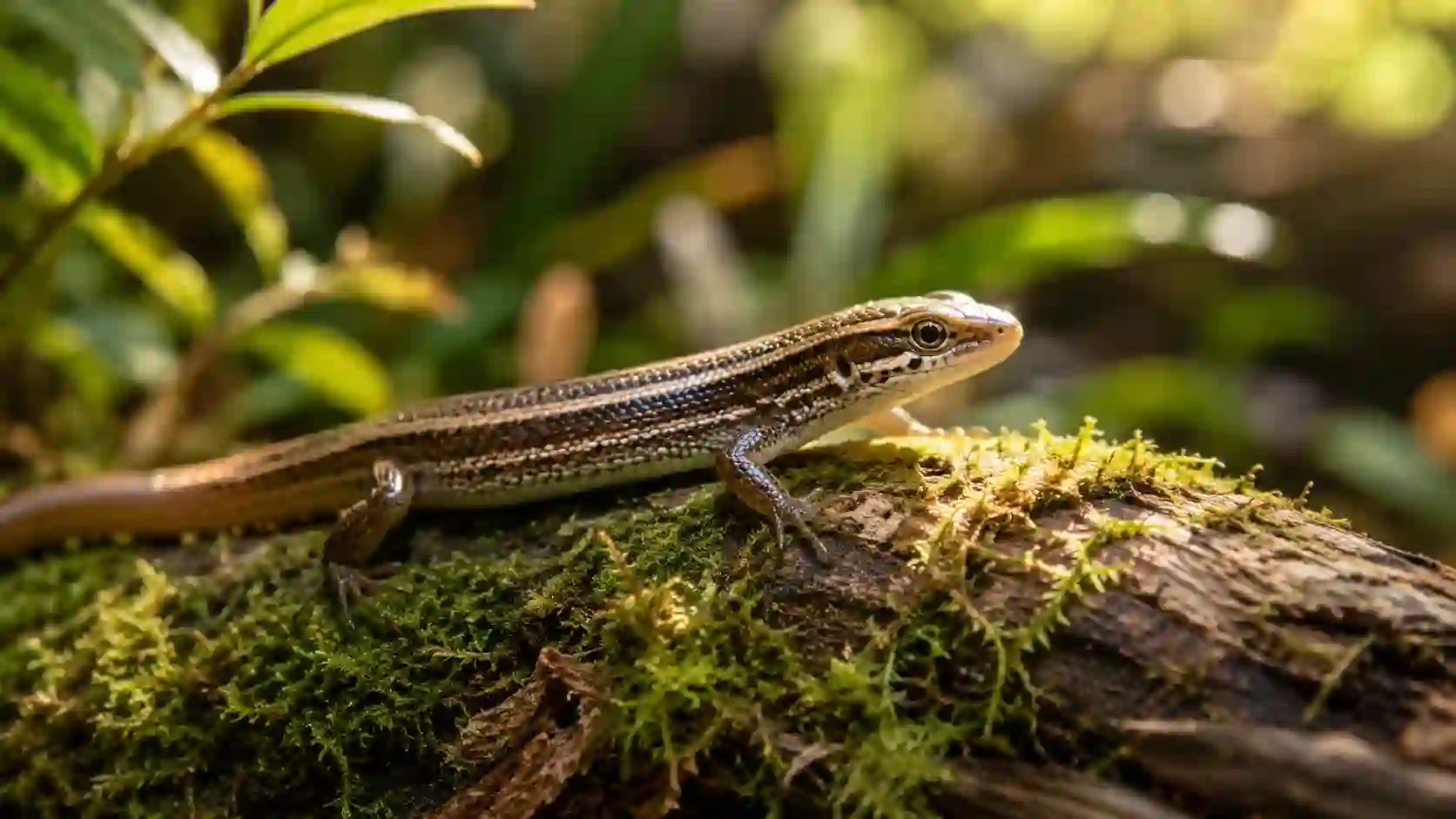
The skink meaning refers to a type of small, smooth-scaled lizard that belongs to the family Scincidae. According to the skink meaning used in dictionaries and biology textbooks, a skink is a reptile with a long body, short legs (or no legs at all), a pointed head, and glossy, overlapping scales that give it a polished look.
Unlike common garden lizards, skinks move with a quick, snake-like wiggle. Many people confuse them with snakes because of this smooth gliding motion. But the skink meaning is clear: it is a lizard, not a snake, and it belongs to one of the largest lizard families on the planet.
In short, when someone asks “what does skink mean,” the simple answer is this: a skink is a harmless, fast-moving lizard known for its shiny skin, short limbs, and ability to regrow its tail.
Skink Meaning: Word Origin And Dictionary Definition
Understanding the skink meaning becomes easier when you look at where the word comes from. The word “skink” entered the English language centuries ago through Latin and Greek roots used to describe small lizards found in warm regions. Over time, the word became the standard name for the entire Scincidae family.
Most modern dictionaries define the skink meaning as: “any of numerous lizards of the family Scincidae, having a long body, a tapering tail, and smooth scales.” This definition matches what scientists and nature lovers observe in the wild every day.
Here is a simple breakdown of the skink meaning across different reference sources:
| Source Type | Skink Meaning Definition |
|---|---|
| Dictionary Definition | A small lizard with smooth scales, a long body, and short or absent legs |
| Biological Definition | A member of the Scincidae family, one of the largest lizard families with over 1,500 species |
| Common Usage Meaning | Any shiny, fast-moving lizard seen in gardens, deserts, or forests |
| Symbolic Meaning | A symbol of adaptability, renewal, and quick thinking |
| Slang/Informal Meaning | Sometimes used casually to describe someone sneaky or quick to disappear |
Skink Meaning In Biology: What Makes A Skink Different From Other Lizards
The skink meaning in biology is far more specific than the general dictionary version. Biologically, a skink is defined by a set of physical traits that separate it from geckos, iguanas, and other lizard families.
Skinks have smooth, glossy scales that often contain tiny bony plates underneath called osteoderms. These plates give their skin a sleek texture that aids movement. This is one of the biggest clues that helps people correctly identify a skink.
Another part of the skink meaning involves body shape. Skinks often have elongated bodies and short limbs, and some species are limbless, giving them a snake-like appearance. Their heads are usually cone-shaped, and they have very short necks compared to other lizards.
Key biological features that define the skink meaning include:
- Smooth, shiny, overlapping scales
- Short legs or no legs at all
- Long, tapering tail
- Cone-shaped head with little to no visible neck
- A transparent lower eyelid in many species, allowing them to see while burrowing
Skink Meaning And Classification: Where Skinks Fit In The Animal Kingdom
To fully grasp the skink meaning, it helps to understand where these lizards sit in the bigger picture of animal classification. Skinks belong to the order Squamata (scaled reptiles) and the family Scincidae.
As a family, Scincidae represents one of the most species-rich lizard groups, with over 1,500 described species. This makes skinks the second-largest group of lizards on Earth, found on nearly every continent except Antarctica.
The skink meaning therefore is not limited to one single animal. It is an umbrella term covering thousands of related species, from the tiny, four-inch garden skink to the much larger Solomon Islands skink.
How Big Is A Skink? Size Range And Physical Measurements
A common follow-up question after learning the skink meaning is: how big do skinks actually get? The species has a major influence on the response.
The smallest skinks barely reach 4 inches in total length, while larger species can grow much bigger. Some skinks measure less than an inch, while species like the Solomon Islands skink can exceed 14 inches, not counting the tail.
This wide size range is part of what makes the skink meaning so broad. A skink is not one fixed size or shape; it is a category of lizard defined by shared features rather than a single body type.
| Measurement | Smallest Skinks | Average Skinks | Largest Skinks |
|---|---|---|---|
| Body Length | Under 1 inch | 3 to 8 inches | Over 14 inches |
| Tail Length | Short, thin | Long, tapering | Long and thick |
| Weight | A few grams | 10 to 100 grams | Several hundred grams |
| Lifespan | 2 to 5 years | 5 to 10 years | Up to 20 years |
Where Do Skinks Live? Habitat And Range
Part of understanding the skink meaning is knowing where these lizards actually live. Skinks are found globally in habitats ranging from deserts to rainforests, and they live everywhere except the coldest arctic and subarctic regions.
This wide distribution is one reason the skink meaning shows up in so many cultures and languages. Whether you live in Australia, the southern United States, Africa, or Southeast Asia, there is a good chance a skink species lives near you.
Common skink habitats include:
- Leaf litter and fallen logs in forests
- Sandy soil in deserts and dry grasslands
- Garden beds, rock piles, and compost heaps
- Wetlands and areas near streams
- Tree bark and low branches, since many skinks climb well
What Do Skinks Eat? Diet And Feeding Behavior
A complete look at the skink meaning would not be finished without covering diet. As insectivores, the majority of skinks mostly consume insects and small invertebrates, such as flies, crickets, grasshoppers, beetles, spiders, and caterpillars.
Some larger skink species expand their diet further. Larger species can be omnivorous, supplementing their insect diet with fruits and vegetables.
This feeding behavior connects directly back to the skink meaning, because it explains why skinks are often welcomed in gardens. They help keep insect populations under control naturally, acting as a free pest-control team.
Skink Behavior: How These Lizards Act In The Wild
Behavior is another important piece of the skink meaning puzzle. Skinks are typically diurnal, meaning they are active during the day, and they often bask in the sun to regulate their body temperature.
One of the most fascinating behaviors tied to the skink meaning is tail loss. Many skinks use a defense method called caudal autotomy, where they shed their tail when threatened, and the detached tail wriggles to distract a predator while the skink escapes.
While this trick helps skinks survive, tail loss can temporarily affect movement, and the tail typically regrows over the following months.
Other notable behaviors that shape the skink meaning include:
- Fast running and excellent burrowing skills
- Mostly solitary lifestyle, rarely seen in groups
- Quick hiding when sensing danger
- Shedding skin in one piece as they grow
How Do Skinks Reproduce? Eggs, Live Births, And Growth
The skink meaning also touches on reproduction, which varies more than most people expect. Most skinks lay eggs, but some species give birth to live young instead.
One species stands out from the rest. The three-toed skink is unique because it can both lay eggs and give birth to live young, even within the same population.
After hatching or birth, baby skinks (sometimes called skinklets) look like miniature versions of adults. They grow quickly, shedding their skin multiple times before reaching maturity within one to three years.
The Symbolic Skink Meaning: What Skinks Represent Spiritually
Beyond biology, the skink meaning carries symbolic weight in folklore, dream interpretation, and spiritual traditions. When people see a skink in real life or in a dream, they frequently look for a deeper meaning.
The most common symbolic skink meaning centers on adaptability and renewal. The adaptability and transformation symbolism of skinks comes from their ability to adjust to different environments while keeping their essential nature intact.
The symbolic meaning of the skink also heavily relies on tail renewal. The skink’s ability to shed and regrow its tail represents a person’s capacity to let go of outdated habits and behaviors that no longer serve them.
Many traditions also link the skink meaning to good fortune. In some cultures, skinks are associated with healing, protection, and good luck, often seen as positive omens hinting at deeper life lessons.
| Symbol Category | Skink Meaning |
|---|---|
| Adaptability | Adjusting to change while staying true to yourself |
| Renewal | Letting go of the past through tail regeneration |
| Patience | Observing carefully before taking action |
| Protection | A sign of safety or good fortune in some cultures |
| Intuition | Trusting inner instincts during uncertain times |
Skink Meaning In Dreams: What Does It Signify To Dream Of A Skink?
Dream interpretation is one of the most searched aspects of the skink meaning. If a skink appears in your dream, it often points to a period of personal change.
Skink lizards appearing in dreams typically signal an upcoming period of personal growth and transformation, indicating that adaptation is becoming essential for progress.
The details of the dream can shift the skink meaning slightly. Watching a skink regenerate its tail in a dream often symbolizes renewal and second chances arriving in your life. Meanwhile, dreams where a skink blends into its surroundings suggest the dreamer should trust their intuition and observe a situation more carefully before acting.
If your dream involved several skinks at once, the message may differ further. Multiple skinks appearing in a dream can represent abundance and new opportunities approaching, encouraging patience and staying grounded.
Common Skink Species And Their Unique Meanings
When you examine particular species, each with its unique appearance and reputation, the meaning of the skink gets even more complex.
- Five-Lined Skink: Known for bright blue tails in juveniles, often linked to youthful energy and quick transformation.
- Blue-Tongued Skink: Famous for flashing a bright blue tongue to startle predators, symbolizing bold self-expression.
- Western Skink: Common across parts of North America, recognized for its striped pattern and shy nature.
- Solomon Islands Skink: One of the largest skink species, representing strength and resilience due to its impressive size.
- Three-Toed Skink: Unique for its flexible reproduction method, symbolizing versatility and balance.
Are Skinks Dangerous? Safety Facts Everyone Should Know
A practical part of the skink meaning involves safety, since many people worry when they spot one indoors. Skinks are non-poisonous lizards that pose no threat to humans, despite common misconceptions about their safety.
If you find a skink in your home or garden, there is no need for alarm. They do not bite unless severely provoked, and even then, their bite is harmless to people. Most skinks will simply try to flee and hide rather than confront a person.
This reassurance is an important part of the practical skink meaning: these lizards are beneficial visitors, not pests, and they help reduce insect numbers around your home naturally.
Skink Meaning vs Other Lizard Meanings: Quick Comparison
People often mix up skinks with geckos and other small lizards, which can confuse the skink meaning. Here is a simple comparison to clear things up.
| Feature | Skink | Gecko | Common Garden Lizard |
|---|---|---|---|
| Scales | Smooth and shiny | Bumpy or granular | Varies, often rough |
| Toe Pads | None | Sticky adhesive pads | Claws only |
| Eyelids | Movable, often transparent | Usually fixed, no blinking | Movable |
| Body Shape | Cylindrical, often short-limbed | Flattened, wide-bodied | Slender |
| Activity Time | Mostly daytime | Mostly nighttime | Mostly daytime |
Frequently Asked Questions About Skink Meaning
What does skink mean in simple terms?
The skink meaning, in simple terms, is a small lizard with smooth, shiny scales, a long body, and short or missing legs. It belongs to the Scincidae family and is found in gardens, forests, and deserts worldwide.
Are skinks and lizards the same thing?
Indeed, a skink is a kind of lizard. The skink meaning refers specifically to lizards from the Scincidae family, which is just one branch within the much larger lizard group.
When a skink loses its tail, what does that mean?
When a skink loses its tail, it is using a defence trick called caudal autotomy. The detached tail wriggles to distract predators while the skink escapes, and the tail usually grows back over time.
Are skinks good luck or bad luck?
In many traditions, the skink meaning leans toward good luck. Skinks are often linked to protection, healing, and positive change rather than misfortune.
What does it mean to dream about a skink?
Dreaming about a skink usually points to personal growth, adaptability, or upcoming change. The exact skink meaning in a dream depends on details like color, tail regeneration, or whether multiple skinks appear.
Can skinks hurt humans or pets?
No. Skinks are harmless to humans and rarely pose any risk to pets. They prefer to flee and hide rather than fight, making the practical skink meaning one of safety rather than danger.
Final Thoughts: Understanding The Full Skink Meaning
The skink meaning covers far more ground than a single dictionary line. It includes a precise biological definition, a wide-ranging family of over 1,500 lizard species, practical safety facts, and a rich layer of symbolism tied to renewal, adaptability, and good fortune. Whether you saw a skink in your backyard or in a dream, you now have a complete, easy-to-understand picture of what it represents.
If this guide helped clear up the skink meaning for you, share it with a friend who just spotted one of these little lizards, or leave a comment below telling us about your own skink encounter.
About the Author: This guide was researched and written by a wildlife content specialist with a strong interest in herpetology and nature education, drawing on established biological references and folklore sources to provide an accurate, balanced explanation of skink meaning for general readers.
Sources referenced: A-Z Animals, Biology Insights, Animal-Pedia, Dreamers Guides, Spiritual Wayfarer.