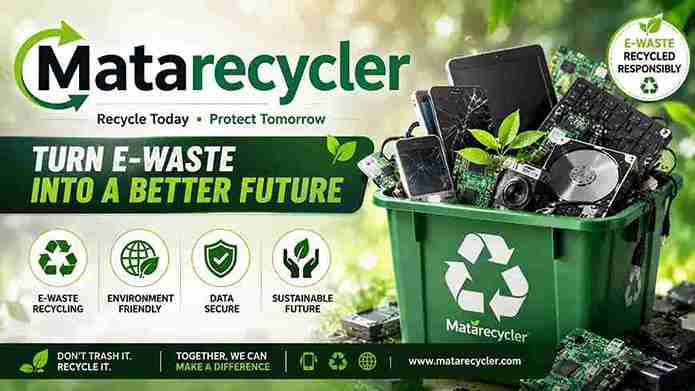
Is Matarecycler the Future of Waste Management?
Are you frustrated by recycling programs that fail to make a real environmental impact? Many communities struggle with inefficient sorting, leading to massive amounts of waste ending up in landfills rather than being repurposed. This cycle of inefficiency ends with the Matarecycler, a smart system designed to turn your community’s waste into a sustainable resource.
What is Matarecycler?
The Matarecycler is an advanced, AI-powered waste management technology. It uses high-speed sensors and deep learning algorithms to automatically identify and sort recyclables like plastic, metal, and glass from general waste. By replacing manual sorting with automated precision, the Matarecycler ensures higher recovery rates for reusable materials.
How the Matarecycler Technology Works
The system operates using a multi-stage process that prioritizes speed and accuracy:
- Sensor Identification: High-resolution cameras analyze the shape, color, and texture of items on a conveyor belt.
- AI Analytics: The core processing unit determines the chemical composition of each object in milliseconds.
- Automated Sorting: High-speed robotic arms physically move the materials into their respective streams with over 95% accuracy.
Comparison: Traditional Sorting vs. Matarecycler
| Feature | Traditional Methods | Matarecycler System |
| Sorting Speed | 30-40 items/minute | 80-120 items/minute |
| Sorting Accuracy | 85-90% | 98%+ |
| Material Types | Limited | Comprehensive (Plastic, Metal, E-waste) |
| Reliability | Variable | Consistent Data-Driven |
The Role of AI in Modern Recycling
Artificial intelligence is the engine driving the Matarecycler. By learning from every item it processes, the system continuously improves its recognition capabilities. This allows cities to monitor waste stream composition in real-time, helping municipalities make smarter policy decisions regarding consumption and disposal.
Environmental Impact of Matarecycler
By diverting tons of waste from landfills, the Matarecycler significantly lowers carbon emissions. It reduces the need for energy-intensive raw material extraction by returning high-quality, processed materials back into the manufacturing supply chain. This cycle promotes a true circular economy.
Boosting Recycling Rates in Underserved Regions
Many communities, particularly in Southeast Asia, Sub-Saharan Africa, and rural parts of the US, lack access to effective waste management. The Matarecycler provides a scalable solution, acting as a bridge between waste generated and waste managed. It allows smaller municipalities to achieve high-level recycling goals without massive infrastructure overhauls.
Data-Driven Decisions for Municipalities
City managers use the cloud-based dashboards integrated with the Matarecycler to track waste metrics. This transparency reveals exactly where recycling programs succeed and where they require more community education. Consequently, urban development plans become more sustainable and cost-effective.
Integration into Daily Community Life
Beyond just hardware, the Matarecycler initiative encourages local participation. Schools and community centers often use the system as a focal point for environmental education, teaching younger generations how proper disposal impacts their future. When citizens see the technology in action, they become more accountable for their waste.
Future Innovations in Waste Processing
The next phase for the Matarecycler involves autonomous collection routes. By equipping waste bins with smart sensors, the system notifies collection teams only when a bin reaches capacity. This optimization cuts fuel consumption for collection vehicles, further reducing the overall carbon footprint of the local waste management network.
Why Sustainability Requires Smart Sorting
Conventional management relies heavily on landfills and incineration, both of which degrade local water and soil quality. A transition to the Matarecycler model represents a shift toward a greener planet, treating waste as an asset rather than an unwanted byproduct.
Getting Started with Sustainable Waste Solutions
Implementing the Matarecycler begins with a local feasibility study. Municipalities can partner with providers to assess current waste volume and plan a phased installation of sorting stations. This proactive approach sets a foundation for long-term environmental success.
Frequently Asked Questions
What is the primary benefit of a Matarecycler?
The primary benefit is significantly higher sorting accuracy compared to human workers, which prevents contamination and ensures more materials are successfully recycled rather than sent to landfills.
How accurate is the Matarecycler at identifying materials?
The system typically achieves over 98% accuracy in identifying and sorting materials like plastic, metal, and paper, far exceeding the performance of traditional manual sorting.
Can the Matarecycler handle electronic waste?
Yes, the advanced sensors are capable of distinguishing between various electronics and household plastics, streamlining the recovery of valuable components.
Does this system require a lot of energy to run?
While it uses advanced AI, the efficiency gains from recovered resources and optimized collection routes create a net positive impact on energy conservation.
How does the Matarecycler help my local community?
It provides transparency through data, reduces the environmental burden on local soil and water, and encourages a cleaner, more sustainable living environment.
Is the Matarecycler suitable for rural areas?
Yes, the system is designed to be scalable, offering customized, high-tech waste solutions for rural regions that lack traditional kerbside recycling infrastructure.
Take Action for a Cleaner Future
The transition to a cleaner planet relies on the tools we choose to manage our waste. If you represent a community or municipality looking to improve your waste management metrics, consider investigating how the Matarecycler can transform your local recycling strategy. Reach out to local environmental departments to advocate for smarter, data-driven sorting today!